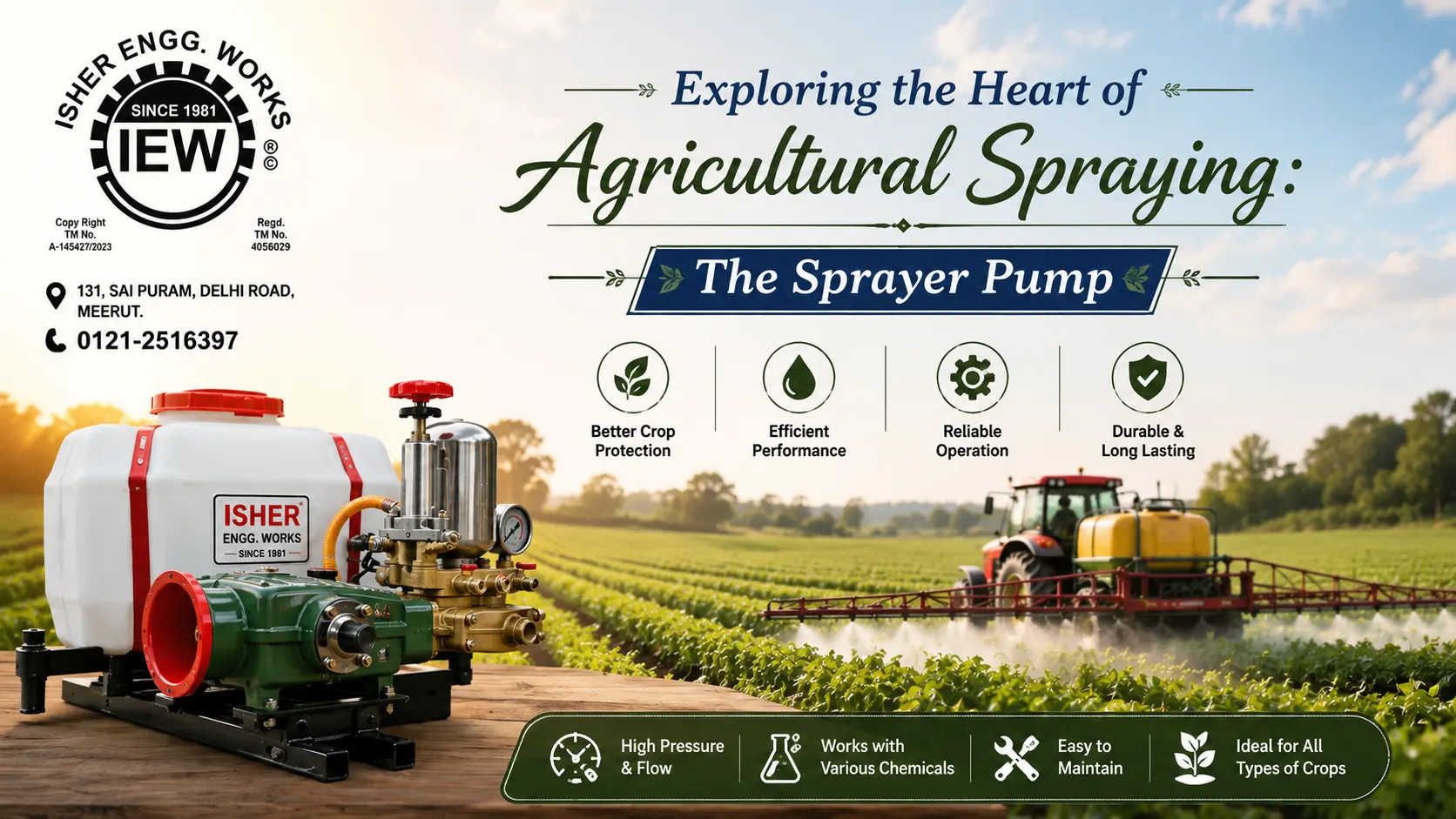
Agricultural spraying plays an important role in modern farming. Whether farmers are applying pesticides, herbicides, fungicides, fertilizers, or other crop protection solutions, the quality of spraying can directly affect crop health and productivity. At the center of an efficient spraying system is the spray pump. It is responsible for moving the liquid from the spray tank and delivering it to the nozzles at the required pressure and flow rate.
A reliable sprayer pump helps farmers achieve better coverage, reduce chemical wastage, and maintain consistent spraying across the field. As farming practices continue to become more efficient and technology-driven, choosing the right pump has become an important decision for agricultural operations.
What Is a Sprayer Pump?
A sprayer pump is a mechanical device used in agricultural spraying equipment to transfer liquid from a storage tank to spray nozzles. The pump creates the pressure required to push the liquid through pipes, filters, valves, and nozzles.
The basic process is quite simple. The spraying liquid is filled into the spray tank. When the system is switched on, the spray pump draws the liquid from the tank and pressurizes it. The pressurized liquid then travels through the plumbing system and reaches the nozzles, where it is distributed over crops.
Why Is the Spray Pump Important?
The pump can be considered the heart of an agricultural sprayer because it controls the movement and pressure of the spraying liquid. If the pump does not perform properly, even high-quality nozzles and other components may not deliver the expected results.
A good pump can help provide:
- Consistent spraying pressure
- Uniform chemical distribution
- Better crop coverage
- Reduced liquid wastage
- Efficient use of pesticides and fertilizers
- Smooth operation of spraying equipment
- Improved productivity during field operations
For farmers managing large agricultural areas, these benefits can make spraying faster and more economical.
Role of the Spray Tank and Pump
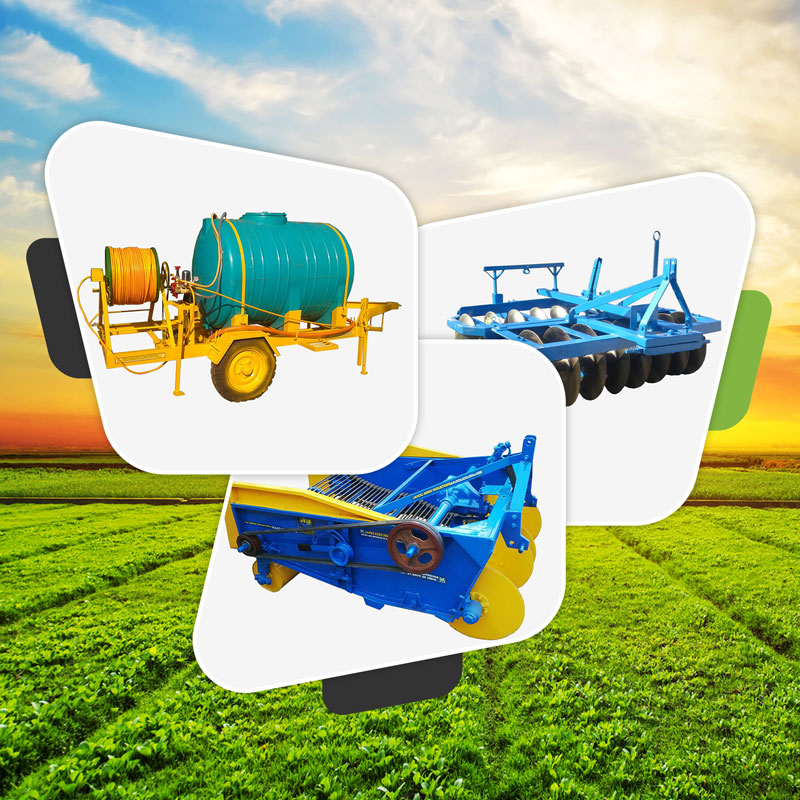
The spray tank and pump work together as essential components of an agricultural spraying system. The tank stores the liquid mixture, while the pump moves that liquid through the spraying system. The capacity of the tank should be selected according to the size of the farm, type of spraying operation, and equipment being used. A properly designed system allows the pump to draw liquid smoothly without unnecessary interruptions. The pump must also be compatible with the tank capacity and spraying requirements. Selecting a pump with suitable flow and pressure helps ensure that the entire system operates efficiently.
Types of Sprayer Pumps
Different agricultural applications require different types of pumps. Common options include diaphragm pumps, piston pumps, centrifugal pumps, and roller pumps.
Diaphragm pumps are widely used for agricultural spraying because they can handle various chemical solutions and provide reliable pressure.
Piston pumps are suitable for applications where higher pressure is required. They are commonly selected for certain high-pressure spraying operations.
Centrifugal pumps can provide high flow rates and are useful when large volumes of liquid need to be moved efficiently.
Roller pumps are compact and relatively simple, making them suitable for several agricultural spraying applications.
The right choice depends on factors such as required pressure, flow rate, chemical compatibility, tank capacity, and equipment configuration.
Benefits of Using a Reliable Sprayer Pump
Better Spraying Efficiency
A reliable spray pump maintains consistent pressure, helping distribute liquid evenly across crops and improving overall spraying efficiency.
Uniform Crop Coverage
It helps deliver the right amount of solution through the nozzles, ensuring better and more uniform crop coverage.
Reduced Chemical Wastage
Consistent pressure and flow can help minimize over-spraying and under-spraying, reducing unnecessary chemical consumption.
Improved Farm Productivity
A dependable pump allows farmers to complete spraying operations smoothly and in less time, supporting better productivity.
Easy Maintenance
Quality sprayer pumps are designed for regular agricultural use and can be easier to maintain when properly cleaned and serviced.
Choosing the Right Agricultural Spraying Equipment
Every farm has different spraying requirements. Therefore, the ideal pump depends on the type of crop, spraying material, field size, application method, and required pressure.
Isher Engineering Works understands the importance of dependable agricultural equipment and offers solutions designed to support practical farming requirements. When selecting spraying equipment, farmers should focus on durability, performance, ease of maintenance, and compatibility with their existing setup.
The spray pump may be a small part of a larger agricultural spraying system, but its role is extremely important. It moves the liquid from the spray tank, creates the necessary pressure, and helps deliver the spraying solution to crops in a controlled manner.
With the right pump, proper maintenance, and suitable spraying equipment, farmers can improve application efficiency and reduce unnecessary wastage. As agriculture continues to move toward smarter and more efficient practices, dependable spraying systems will remain an important part of successful crop management. Choosing a suitable sprayer pump is therefore not simply about buying a machine—it is about investing in consistent performance and more efficient agricultural operations.