Isher Engineering Works has always believed that modern farming should be simple, efficient, and rewarding for farmers. Potato cultivation is one such area where the right machinery can make a big difference.
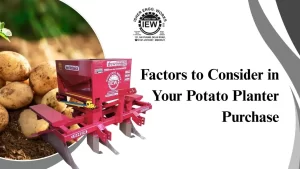
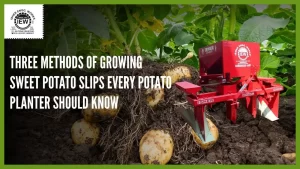
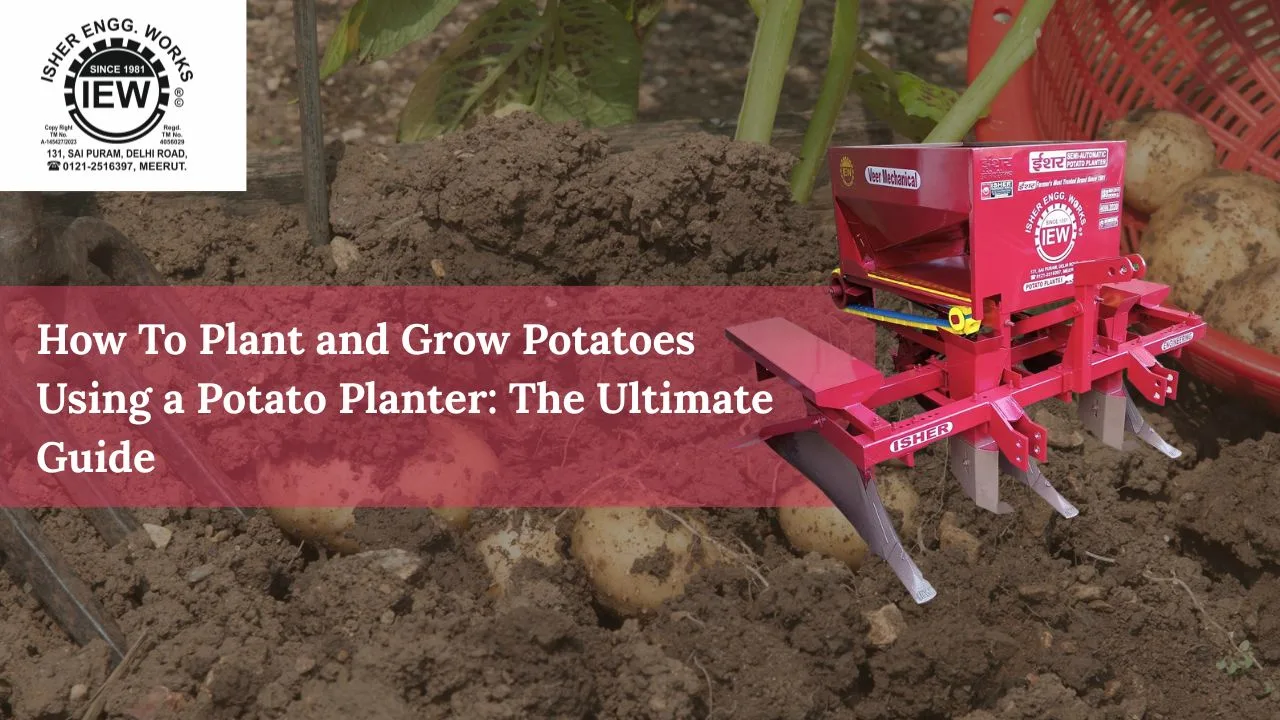
A Potato Planter is a specialized agricultural machine designed to plant seed potatoes at uniform depth and spacing. Traditional planting methods often result in uneven growth, wasted seeds, and higher labor requirements. With a potato planter, farmers can achieve consistency, better crop establishment, and higher yields. Modern potato planters are tractor-mounted and designed to work smoothly in different soil conditions.
Step 1: Preparing the Land for Potato Cultivation
Before using a Potato Planter, proper land preparation is essential. The soil should be loose, well-drained, and rich in organic matter. Start by ploughing the field two to three times to break clods and remove weeds. Add well-decomposed farmyard manure or compost to improve soil fertility.
Level the field properly so that the potato planter can operate smoothly. Uneven land can affect planting depth and spacing, which directly impacts crop growth.
Step 2: Selecting the Right Seed Potatoes
Choosing high-quality seed potatoes is the foundation of a good harvest. Always select disease-free, healthy seed tubers with at least one or two eyes. Avoid damaged or rotten potatoes, as they can affect germination and spread disease in the field. Cut larger seed potatoes into pieces if required, ensuring each piece has at least one eye. Allow them to dry before planting to reduce the risk of infection.
Step 3: Using the Potato Planter Correctly
Once the land and seed potatoes are ready, it’s time to use the Potato Planter. Fill the hopper of the planter with seed potatoes. Adjust the planter settings according to recommended row spacing and planting depth, usually around 10–15 cm deep. As the tractor moves forward, the potato planter automatically places seed potatoes into the soil and covers them properly.
Step 4: Irrigation After Planting
After planting with a Potato Planter, light irrigation is required to maintain soil moisture and support germination. Avoid overwatering, as excessive moisture can cause seed rot. Drip or furrow irrigation methods work well for potato crops. Regular monitoring of soil moisture during the early growth stage is important for strong root development and healthy sprouts.
Step 5: Fertilization and Nutrient Management
Potatoes require balanced nutrition for optimal growth. Apply basal fertilizers during land preparation and top dress with nitrogen at different growth stages. Using a Potato Planter ensures proper spacing, which helps fertilizers reach each plant evenly.
Organic manures, along with recommended chemical fertilizers, improve soil health and increase yield quality.
Step 6: Weed and Pest Control
Weeds compete with potato plants for nutrients, water, and sunlight. Early weed control is essential. Mechanical weeding or mulching can be effective methods. Regularly inspect the crop for pests and diseases such as aphids, cutworms, and late blight. Timely preventive measures help protect the crop and ensure healthy growth.
Step 7: Earthing Up and Crop Care
Earthing up is an important practice in potato cultivation. It involves covering the base of plants with soil to protect developing tubers from sunlight and pests. Uniform planting achieved by a Potato Planter makes earthing up easier and more effective.
Step 8: Harvesting the Potatoes
Potatoes are usually ready for harvest 90 to 120 days after planting, depending on the variety. Stop irrigation a few days before harvesting to allow the soil to dry. Healthy plants will start turning yellow and drying up, indicating maturity. Proper planting with a potato planter results in uniform tuber size, making harvesting easier and more efficient.
Also Read : What is Seed Drill: Components, Calibration Process & Benefits
Why Choose Isher Engineering Works ?
Isher Engineering Works understands the real needs of Indian farmers. Our agricultural machines are designed to perform reliably in various field conditions. We provide well-engineered Potato Planter solutions that save time, reduce labor costs, and improve productivity. With a strong focus on quality and farmer satisfaction, Isher Engineering Works continues to support modern and sustainable farming practices.
Using a Potato Planter is a smart and practical way to improve potato cultivation. From land preparation to harvesting, every step becomes more efficient and organized. With the right machine, quality seeds, and proper care, farmers can achieve better yields and higher profits.
Isher Engineering Works continues to support farmers by designing machines that provide reliability, ease of use, and long-term value. By adopting the right Potato Planter and following the correct cultivation practices, farmers can move towards smarter farming, improved productivity, and a more sustainable future in potato cultivation.